New, Articles & Info for the Automotive Industry
Quiet Brakes Can Hide Wear:
Three Brake Checks That Matter
Many drivers assume their brakes will squeal, grind, or trigger a dashboard warning when something needs attention. Unfortunately, brake wear does not always announce itself.
Your brakes may remain quiet even when the pads are wearing thin, the rotors show signs of damage, or the brake fluid is no longer performing as it should. That is why waiting for a noise is not the best way to determine the condition of your braking system.
At Cheseldine Tire & Auto, we look beyond the presence—or absence—of a squeal. Three specific checks help us evaluate what is happening and provide recommendations based on your vehicle’s actual condition.
Why Quiet Brakes May Still Need Attention
Some brake pads include wear indicators designed to produce a squealing sound when the pads become thin. However, not every vehicle or brake component will give you the same warning.
Brake noise may also be affected by the design of the pads, weather conditions, accumulated dust, or the way the components are wearing. In some cases, significant wear may be present without a noticeable sound.
A quiet braking system does not automatically mean something is wrong. It simply means that sound alone cannot confirm the condition of your brakes.
A proper inspection provides much more useful information.
1. Brake Pad and Rotor Condition
Brake pads create friction against the rotors to slow and stop your vehicle. Each time you apply the brakes, a small amount of pad material wears away.
During an inspection, we check the remaining pad thickness rather than relying on noise or appearance from outside the wheel. Measurements help determine how much usable material remains and whether wear is even across the braking system.
We also inspect the rotors for visible wear patterns and other concerns, including:
- Scoring or deep grooves
- Uneven wear
- Heat-related discoloration
- Rust or corrosion
- Cracks or surface damage
- Differences in wear from one side to the other
Pad and rotor condition should be considered together. Installing new pads against damaged or excessively worn rotors may affect braking performance and shorten the life of the new components.
Measurements and visible wear patterns give us a clearer picture of what your vehicle needs.
2. Brake Fluid Performance
Brake fluid plays a critical role in transferring the force from the brake pedal to the braking components at the wheels. Over time, the fluid can absorb moisture and become contaminated.
Old or contaminated brake fluid may not perform as effectively under demanding conditions. Because this change happens gradually, drivers may not notice it during normal daily driving.
A brake fluid performance check helps us evaluate the condition of the fluid instead of guessing based only on its age or appearance. The results can help determine whether the fluid is still providing appropriate performance or whether a brake fluid service should be considered.
Vehicle manufacturers may provide different service recommendations, so brake fluid condition should be evaluated along with the maintenance requirements for your particular vehicle.
3. Brake Response Inspection
Measurements tell us a great deal, but we also need to consider how the braking system feels and behaves during normal operation.
A brake response inspection may identify changes such as:
- A soft or spongy brake pedal
- Excessive pedal travel
- Delayed braking response
- Pulsation through the pedal
- Pulling to one side while braking
- Unusual vibration
- Inconsistent pedal feel
These symptoms can have several possible causes. A pulsating pedal, for example, does not automatically confirm that one specific part should be replaced. The entire system should be evaluated before a repair recommendation is made.
The goal is to connect the vehicle’s behavior with the physical inspection and measurements.
Ask for the Results, Not Just a Guess
When your brakes are inspected, you should feel comfortable asking what was found.
Useful questions include:
- What is the measured thickness of my brake pads?
- Are the pads wearing evenly?
- What condition are the rotors in?
- Were any unusual wear patterns found?
- How did the brake fluid perform?
- Was anything unusual noticed in the brake response?
- Does the vehicle need service now, or should the brakes be monitored?
- What repairs or maintenance do you recommend based on the results?
Clear measurements and observations help you understand why a service is—or is not—being recommended.
At Cheseldine Tire & Auto, we want you to make decisions using real information about your vehicle, not an unexplained guess.
Do Not Wait for Grinding
Once brakes begin making a grinding sound, the friction material on the pads may already be severely worn. Continuing to drive could damage additional components and reduce braking performance.
Other signs that should prompt an inspection include:
- A brake or ABS warning light
- Increased stopping distance
- Pulling while braking
- A soft or sinking pedal
- Vibration or pulsation
- A burning odor near a wheel
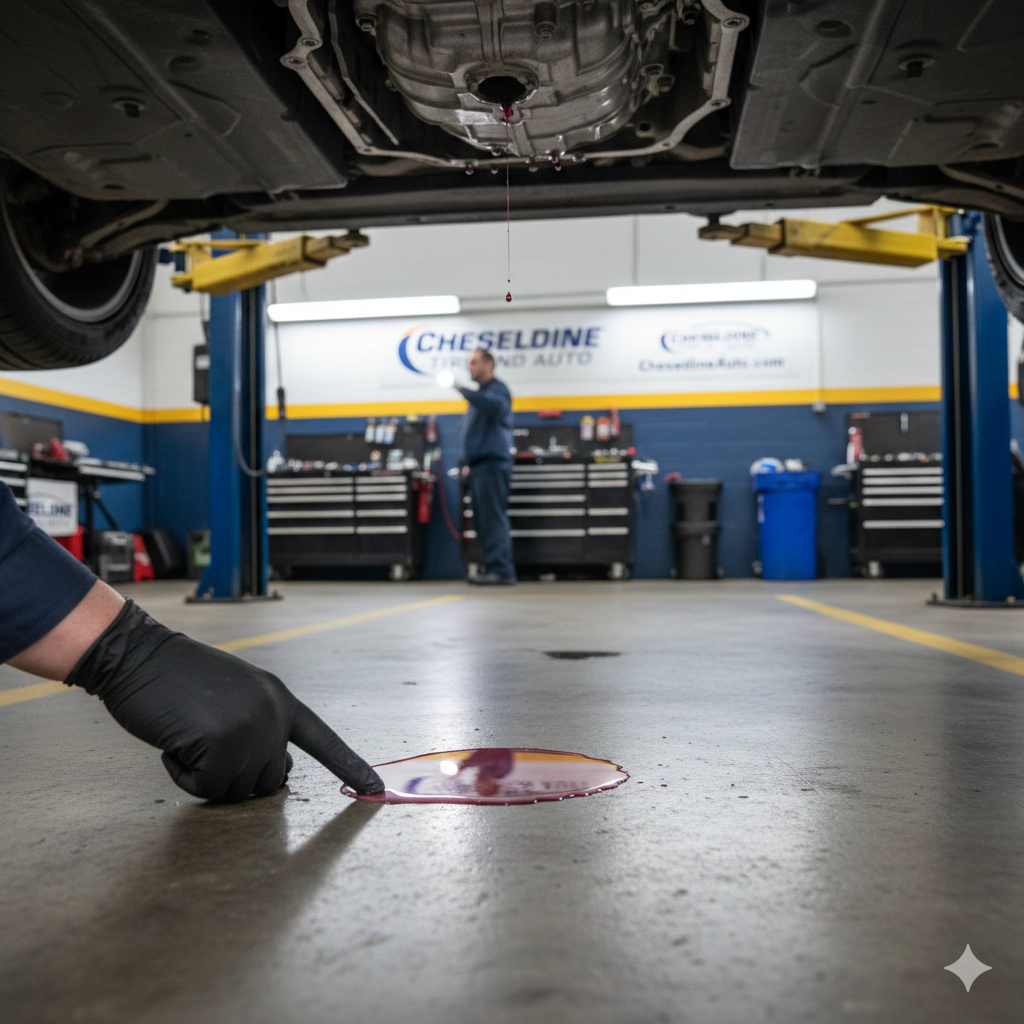
- Fluid underneath the vehicle
- Any sudden change in braking response
If your brake pedal goes to the floor, braking ability changes suddenly, or the vehicle does not stop normally, avoid driving it and seek professional assistance immediately.
Schedule a Brake Inspection in Southern Maryland
Do not wait for a squeal to tell you whether your brakes are in good condition. A professional inspection can evaluate pad and rotor wear, brake fluid performance, and overall brake response before a developing concern becomes a larger problem.
When you visit Cheseldine Tire & Auto, ask for the results of these three checks and our recommendations based on the measurements.
Schedule your service today at CheseldineAuto.com or contact us for an appointment.
California Location
45440 Miramar Way
California, MD 20619
301-863-5800
Leonardtown Location
25405 Point Lookout Road
Leonardtown, MD 20650
301-475-3221
#BrakeService #BrakeInspection #AutoRepair #CheseldineTireAndAuto