New, Articles & Info for the Automotive Industry
Your Brakes and the Master Cylinder: What Every Driver Should Know

Your brakes are the most important safety system on your vehicle, and most drivers only think about them when something feels off. Behind every smooth stop is a chain of parts working together in a split second. At the very start of that chain sits a component many drivers have never heard of: the brake master cylinder.
Here is how your brake system works, what the master cylinder does, and the warning signs that mean it is time to have your vehicle checked.
How Your Brakes Work
When you press the brake pedal, you are not squeezing the brakes directly. Your foot starts a hydraulic process:
- The pedal pushes on a brake booster, which multiplies your foot's force so stopping takes little effort.
- The booster pushes on the master cylinder, which turns that mechanical motion into hydraulic pressure.
- Brake fluid travels through brake lines and hoses to each wheel.
- At the wheels, that pressure pushes calipers (disc brakes) or wheel cylinders (drum brakes), which press the pads or shoes against the rotors or drums.
- The friction slows the wheels, and your vehicle stops.
What Is the Master Cylinder?
The master cylinder is the heart of your hydraulic brake system. It is mounted on the driver's side of the firewall, usually directly in front of the brake booster, and it has a reservoir on top that holds your brake fluid.
Inside the cylinder, one or more pistons move when you press the pedal and push fluid out into the brake lines. Modern vehicles use a dual-circuit design, which splits the system into two separate hydraulic circuits. If one circuit develops a leak, the other can still provide braking power. Stopping distance will be longer and the pedal will feel wrong, but you are not left with no brakes at all. It is a built-in safety feature, and it is not a reason to keep driving on a failing system.
The master cylinder depends on rubber seals inside the bore to hold pressure. Over time those seals wear, and dirty or moisture-laden brake fluid speeds up the damage.
Warning Signs of a Failing Master Cylinder
Because the master cylinder creates the pressure for the whole system, problems can show up in a few different ways:
- A spongy or soft pedal. If the pedal feels mushy or needs to be pushed farther than normal, air or a leak in the system could be the cause.
- A pedal that slowly sinks to the floor. If the pedal drifts down while you hold steady pressure at a red light, worn internal seals may be letting fluid slip past the piston. This is a classic sign of master cylinder failure.
- The brake warning light. A dashboard brake light can indicate low fluid or a pressure difference between the two circuits.
- Low or dirty brake fluid. Fluid that keeps dropping means it is going somewhere. Fluid that looks dark or murky suggests contamination, which can wear out the seals from the inside.
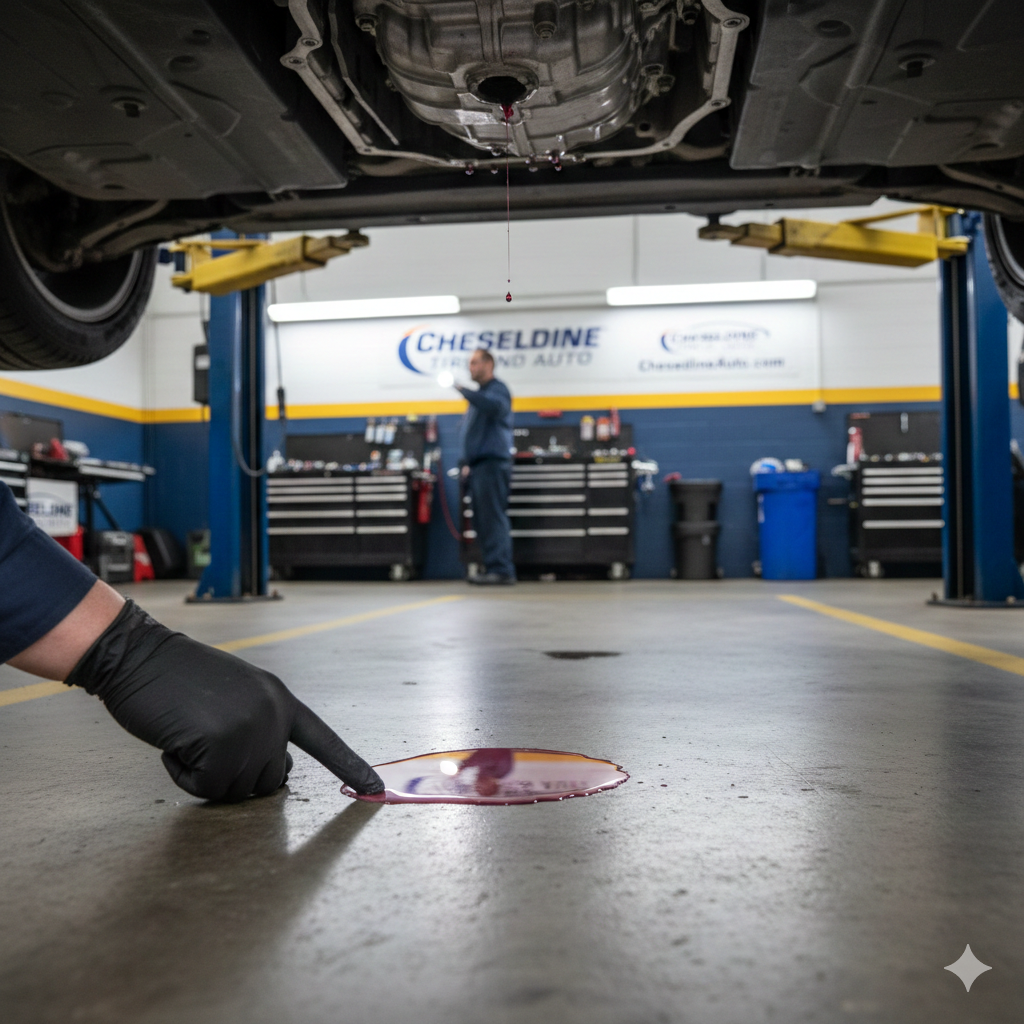
- Visible leaks. Fluid on or around the master cylinder, along the firewall, or on the brake booster needs attention right away.
- Uneven or reduced braking. If your vehicle pulls to one side or takes longer to stop, the problem may be in the hydraulic system.
Important: If your brake pedal goes to the floor, or you notice any of these symptoms getting worse, do not keep driving. Brake problems do not fix themselves, and they get more dangerous over time.
Brake Fluid: The Overlooked Maintenance Item
Brake fluid absorbs moisture from the air over time. That moisture lowers the fluid's boiling point and can corrode internal parts, including the master cylinder, brake lines, and calipers. Replacing the fluid on the schedule recommended in your owner's manual is one of the simplest ways to protect the entire system, and it can help extend the life of the master cylinder.
Don't Forget the Rest of the System
A healthy master cylinder works alongside the rest of your brakes. During a brake inspection, a technician will typically check:
- Brake pad and shoe thickness
- Rotor and drum condition
- Calipers and wheel cylinders
- Brake lines and hoses
- Brake fluid level and condition
- The master cylinder and booster
Squealing, grinding, vibration when stopping, or a pedal that just does not feel right are all good reasons to schedule an inspection sooner rather than later.
Trust Your Brakes to Cheseldine Auto Repair
You count on your brakes every time you drive, whether you are commuting through Southern Maryland, hauling the kids to practice, or heading out on a weekend trip. Cheseldine Auto Repair can inspect your entire brake system, check your fluid, and diagnose master cylinder concerns before they become emergencies.
If your brake pedal feels different, a warning light has come on, or it has been a while since your last brake inspection, contact Cheseldine Auto Repair today to schedule service.
Frequently Asked Questions
What does a brake master cylinder do?
The master cylinder converts the force from your foot on the brake pedal into hydraulic pressure. That pressure moves brake fluid through the lines to each wheel so the brakes can slow your vehicle.
How do I know if my master cylinder is going bad?
Common signs include a spongy pedal, a pedal that sinks to the floor under steady pressure, a brake warning light, low or contaminated brake fluid, and fluid leaks near the firewall or brake booster.
Is it safe to drive with a bad master cylinder?
No. A failing master cylinder can reduce or eliminate your braking power. If your pedal sinks to the floor or feels unreliable, have the vehicle inspected before driving it further.
How often should brake fluid be replaced?
Intervals vary by vehicle, so follow the recommendation in your owner's manual. Regular fluid replacement helps prevent moisture and contamination from damaging the master cylinder and other brake parts.
By Deborah Naugle